Battle ropes look simple, which is partly why they are so effective at the end of a workout. You pick them up, you move with intent, and within 20 seconds your lungs and forearms are bargaining for mercy. As a workout trainer who programs ropes in personal training gyms and small-group settings, I reach for them when clients need a clean, joint friendly way to cap a session with high output. Ropes let you push hard without loading the spine or relying on complex skills that fall apart under fatigue. The learning curve is short. The results show quickly.
Finisher sessions live in the margins of a program. They are not your main strength blocks or your technical Olympic lifts. They are the piece that elevates heart rate, empties the tank just enough, and helps you leave the gym knowing you worked. Battle ropes shine here because they scale to nearly any level and almost any space. If you have 10 to 15 feet, an anchor, and a willingness to breathe hard, you have what you need.
Why ropes work so well at the finish
Think of the rope as a living resistance that responds to how you move. When you create waves, each pulse travels to the anchor and back. You are not just flailing your arms. You are managing rhythm, timing, and torso stiffness so the wave looks clean. That control matters. A smooth, high amplitude wave taxes the lats, mid back, rotator cuff, biceps, and forearms while your legs and trunk stabilize. On slams and circles, you add hip power, abdominal bracing, and deceleration through the posterior chain. The result feels like sprinting for the upper body, supported by the lower body.
Ropes also distribute fatigue well. If you run hills or push a sled, your quads and calves might dominate the fatigue signal. With ropes, the shoulders and arms light up first, but the limiter often becomes your ability to breathe and maintain posture. This is ideal at the end of a lifting session, where you want output without beating up the same joints you loaded under a barbell.
From a metabolic side, short bouts of 10 to 45 seconds at high effort with equal or slightly longer rest periods drive heart rate into the 80 to 90 percent range for a few minutes at a time. You get the feel of intervals without the eccentric muscle damage of jumping or running. For busy clients who train three days per week, these micro doses add up.
Picking the right rope and anchor
Most personal training gyms keep a 1.5 inch rope of 40 to 50 feet. That covers nearly everyone. If you run a studio or you train at home, size your rope and anchor to your space and your goals. A 50 foot rope gives a longer wave and finer control at the anchor. A 30 foot rope Personal trainer spikes intensity quickly and suits tight spaces. Heavier, thicker ropes demand more grip and shoulder endurance. Lighter, thinner ropes let you move faster and hold technique longer.
Here is a quick sizing guide that I use on the floor.
- 1.5 inch diameter suits most adults, 2.0 inch is a progression for strong grips and power slams. 30 feet fits small spaces and beginners, 40 to 50 feet allows smoother waves and options for shuffles and lunges. Polyester or poly blend sheds less and lasts longer than natural manila, manila feels great but sheds fibers and absorbs sweat. Anchor at mid thigh to waist height for general use, lower anchors bias the lats and hip hinge, higher anchors bias shoulders and anti extension. Aim for a gentle U shape with slack, too tight and the rope jerks, too slack and the wave dies.
If your anchor must attach to a squat rack, wrap the rope through a strap or a carabiner rated for load so you do not grind fibers against metal. I have seen more ropes die from abrasion than from hard training. Put a mat under the contact point on concrete to prevent fraying and to keep the rope clean.
Setup and technique that make a difference
Footwork and posture drive rope quality. Set your feet under hips with a soft knee bend, then hinge slightly so your chest sits over your midfoot. Think of the stance you use for an athletic ready position. Grip the ropes with a neutral hand, thumbs up. If you choke up too close to the anchor, the rope feels heavy and twitchy. If you hold too far back, the wave loses shape. Start with your hands a foot or two from the rope ends and adjust as you feel the wave.
For alternating waves, the movement is small and fast at the elbow, with the shoulder stable and the ribcage stacked over the pelvis. I cue clients to imagine drumming on the ground with the ends of the rope, rather than yanking up and down. Keep your eyes soft and your jaw loose. Tension tends to leak into the neck. On power slams, the pattern changes. You raise both hands to about eye height, then drive them down while bracing the abs as if someone were about to tap your stomach. Hinge the hips, let the knees bend, and let your heels stay heavy. The slam should make a sound, not just a ripple.
Breath timing adds rhythm. On alternating waves, breathe through the nose when you can, with short exhales every few seconds. On slams, exhale forcefully on the drop. I often count waves for clients. Ten clean waves per arm in ten seconds is a good early target. As control grows, you can push to 12 to 14 per arm in the same window without losing shape.
Safety notes and common mistakes
Ropes feel safe because there is no heavy load on your back, yet technique still matters. The biggest error I see is shrugging the shoulders toward the ears. That compresses the neck and kills endurance. Keep the shoulders set down and back, with space between ear and acromion. A second error is leaning too far back and overextending the low back to create bigger waves. Big waves come from crisp repetitions, not a deep lean. If your ribs pop up and your belt line points forward, reset and stack the torso.
White knuckle grip is another trap. Squeeze enough to control the rope, not so much that your forearms blow up in ten seconds. If you arrive at a session after a lot of pulling, consider rope variations that spare the forearms, like lateral shuffles with waves or in out waves at moderate tempo. Rotate often to keep tissues happy.
For clients with shoulder impingement, stick to low amplitude waves at chest height or below, keep the elbows closer to the sides, and favor variations that move the body while the hands work, like reverse lunge to alternating waves. For low back sensitivity, the hinge should be shallow and the stance more upright. If slams irritate the back, replace them with squat to chest level waves. Pain is information, not a challenge to win.
Variations that keep training fresh
Alternating waves are the entry point. Once the pattern looks good, branch out. Double waves double the demand on trunk bracing and teach you to coordinate both arms in sync. Power slams reward crisp hip extension and quick deceleration. In outside circles, you draw small circles away from the midline that light up the rear delts and mid back. Inside circles flip that, targeting pecs and serratus while the cuff stabilizes. Snakes, where you sweep both hands side to side so the rope undulates on the floor, build frontal plane control in the hips and core.
Footwork adds a layer. Lateral shuffles with alternating waves teach you to own posture while moving. Reverse lunge to wave challenges balance and keeps the heart rate high without pounding the knees. Tall kneeling waves strip the legs out and focus on trunk control. Half kneeling waves challenge hip stability and anti rotation. Plank rope drags or plank waves, where you are in a high plank with one hand working the rope, require strong shoulder packing and a steady pelvis. Use these sparingly at the end of long sessions.
Programming ropes as true finishers
Think in blocks of 6 to 10 minutes after your main work. If you squatted and hinged heavy, select a rope sequence that biases upper body patterns and anti rotation. If you pressed and rowed, select a sequence with more lower body movement and trunk emphasis while the arms move at moderate amplitude. The finisher is not the place to chase novelty. Repeatable structure wins.
Here is a reliable structure I use when coaching as a personal trainer working one on one or in a small group.
- Choose one primary wave pattern and one power pattern, for example alternating waves and power slams. Work 20 to 30 seconds at hard but controlled effort, rest 40 to 60 seconds, alternate movements for 8 to 12 total rounds. Start the first round at 80 percent intensity, aim for consistency across rounds rather than a single all out set. Cap total hard work at 5 to 7 minutes for beginners, 8 to 10 minutes for experienced trainees. Track either wave count or slam count each round to keep effort honest.
Spacing work and rest this way leaves you tired but not wrecked. If your technique drops in the last two rounds, extend the rest by 10 to 15 seconds or trim a round. If you train in a personal training gym with a fitness coach managing time for several clients, use a “go on the minute” format. Two pairs can alternate stations without chaos. I often pair ropes with a low skill carry or a breathing drill to bring heart rate down between bouts.
Finisher templates by goal
For fat loss oriented conditioning, alternate 30 seconds of alternating waves with 30 to 45 seconds of walking or nasal breathing, then 20 seconds of power slams with 40 seconds rest. Repeat for 10 minutes. Keep posture tall and the ribcage quiet. You should be able to speak in short phrases between bouts by minute six. If not, lengthen the rest.
For power emphasis, select short, crisp sets. Ten seconds of maximum amplitude double waves, rest 50 to 60 seconds. Ten seconds of power slams, rest 50 to 60 seconds. Cycle these for eight rounds. Quality first. When slam height and snap fade, stop. This template works well for field sport athletes during general prep and for clients who want to feel fast without sprinting.
For aerobic capacity, choose a lighter rope and string together continuous, lower amplitude alternating waves while shuffling laterally for 60 to 90 seconds. Keep heart rate in a steady zone you can hold a conversation in broken sentences. Rest 60 to 90 seconds. Repeat for 12 to 15 minutes. This reads more like tempo work than a finisher and fits on days when you avoid heavy lifting.
For low impact, joint friendly options, use half kneeling waves, snakes, and in out waves at chest level. Keep bouts at 15 to 20 seconds with longer rests. I place this with older clients or anyone returning from layoff who wants the feeling of effort without joint stress.
For team circuits that a gym trainer can run in a crowded hour, station the ropes with clear lanes, run 20 on and 40 off, and cycle in push sleds, light med ball throws, and a breathing station. Make the rule that technique earns time. Clean waves add five seconds, messy waves lose five.
Coaching cues that matter under fatigue
When the clock is running, clients hear very little. Keep cues short and physical. Tap the ribcage and say down to prevent overextension. Point at the ears and say space to stop shrugging. Tap the heels and say heavy to anchor the stance. On slams, say tall then drop to reset the hip hinge and avoid rounding. When forearms fail, say soft hands to nudge them away from the death grip. A personal fitness trainer often does more by saying less at the right moment.
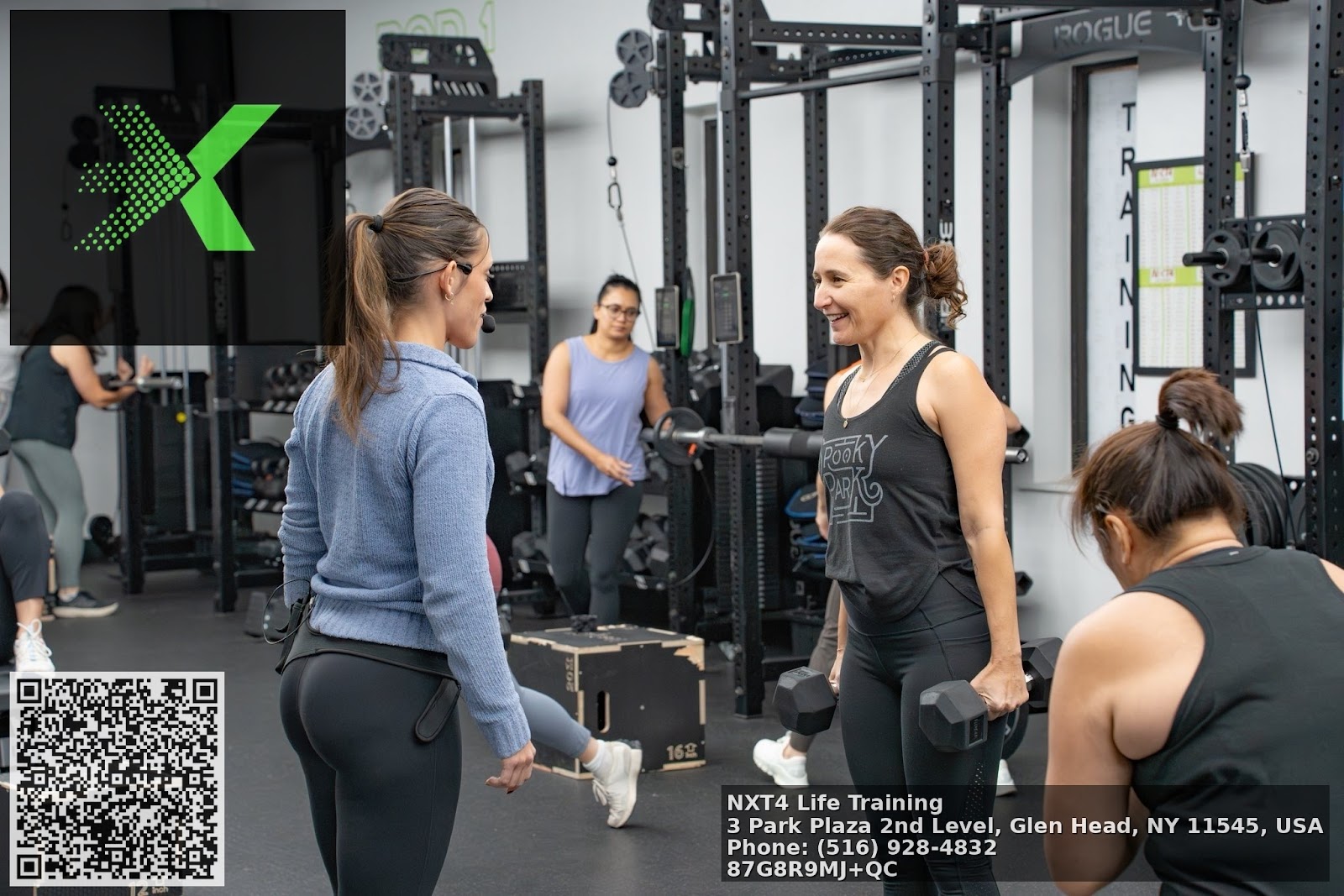
I also like to film a ten second set from the side early in a program block. Watching their own rhythm helps clients fix posture faster than any cue. They notice if they lean back or if their waves travel only halfway to the anchor. The visual buys buy in.
Progressions without gimmicks
The easiest way to progress is density. Keep the same work bout, shave five seconds off rest every two weeks, or add one round if technique stays crisp. Next is amplitude and speed. Count waves per work interval and aim to add one or two per arm over a few sessions. Rope thickness can progress the grip demand, but treat that as a separate block. If you jump from a 1.5 inch to a 2 inch rope during a density cycle, you change two variables at once and lose the thread.
Unilateral work raises the ceiling. Single arm alternating waves force anti rotation in the trunk. Offset stances, like split stance waves, introduce hip stability. Do not let the knee collapse in on the front leg. Tall kneeling and half kneeling versions are humbling and safe, yet they can smoke the trunk. Use them in short bouts.
Finally, combine patterns judiciously. A favorite sequence for advanced clients pairs eight seconds of high frequency alternating waves immediately into four crisp power slams, then rest. The shift from speed to power forces control under a different kind of fatigue. Keep total work time per round under 15 seconds to hold quality.
Recovery and what to pair with ropes
Because ropes load the upper body dynamically, pair them with lower body mobility and breathing to come down. Two minutes of 90 90 hip transitions, then two minutes of slow nasal breathing in a hook lying position with feet on a wall, calms the system. Clients leave less frazzled, which matters if they have a commute or a meeting right after.
On training days with heavy pressing, push the ropes toward patterns that spare the front delts, like snakes and outside circles with low amplitude. On heavy pulling days, keep bouts shorter and focus on crisp technique rather than volume. If heart rate remains elevated above 120 beats per minute three minutes after a round, you are either pushing too hard at the end of the session or your base conditioning needs attention. Adjust.
Space, equipment, and home setups
I have run rope finishers in a single car garage, a crowded commercial floor, and a turf lane shared by two groups. Consistency comes from clear lanes and stable anchors. At home, an anchor strap over a sturdy post or a loaded sled works well. A sandbag or kettlebell loop anchor saves your rack from wear. Protect the rope from rough concrete with a rubber mat. If noise is a concern in a shared space, focus on waves over slams, or move to snakes which stay quiet.
If you lack a rope, you can mimic patterns with a suspension trainer or a towel tied to a cable stack set at low resistance. The feel is different, but the rhythm and breathing practice carry over. I would not substitute long barbell complexes for a rope finisher on a whim. The joint stress and technical demands change the intent.
What to measure, and what to ignore
Wave counts and RPE tell the story better than calories on a watch. For a 20 second alternating wave bout, record total waves per arm. If you hold 12 to 14 per arm across rounds with even technique, you are in the right zone. For slams, count clean contacts with the floor. Keep RPE at 7 to 9 for most finishers. A 10 has a place, but not every week, and not at the end of a high volume lifting day.
Heart rate helps guide rest. If you start the next round above 85 percent of max, form will likely falter. Rest a touch longer. Coaches in personal training gyms can watch the talk test. If a client cannot say five to seven words without gasping 30 seconds into rest, extend it. Precision is useful, but a skilled fitness trainer reads posture, color, and rhythm too.
Edge cases and modifications
For clients with cranky elbows, neutral grip and lighter ropes ease tendon irritation. Keep elbows slightly flexed and avoid hyperextension at the bottom of slams. For those with wrist issues, wrap the rope ends with athletic tape to increase friction and reduce pinch, or use rope handles. Shoulder pain at or above 90 degrees of elevation calls for lower amplitude waves, anti rotation holds, and a bias to snakes. If any motion causes sharp pain, change the plane or shorten the lever. Pain that accumulates over sets means something upstream needs attention. A qualified fitness coach or physical therapist should assess it.
Deconditioning changes the prescription. Early sessions might be 10 seconds on and 50 seconds off for 6 to 8 rounds, paired with walking between bouts. Celebrate quality waves and stable posture, not brutality. Older clients often color better with half kneeling and split stance waves, as these reduce spinal load and improve hip control.
A week that places ropes in context
A simple, effective layout across a week might look like this. On Monday, lift lower body heavy, finish with upper body dominant ropes like alternating waves and circles. On Wednesday, press and pull, then finish with footwork heavy ropes personal training gyms for women like lateral shuffle waves. On Saturday, run a mixed session with carries, sleds, and short, crisp slam intervals. The finisher serves the main work, not the other way around. Keep total rope exposure between 12 and 25 minutes per week for most recreational lifters. If you coach athletes in season, drop the total to 8 to 12 minutes and hold intensity high but volume low.
What clients notice first
Within two to three weeks, most people report better shoulder endurance and less neck tension during desk work. Grip strength improves without long hangs. Posture under fatigue improves too. I had a client, a software lead who trained at 6 a.m., who could not hold a straight wave past 12 seconds on day one. By week three he held 30 seconds at a steady rhythm with a calm face and steady feet. His deadlift numbers did not skyrocket in that short time, but his hinge during slams taught him to brace better, and that carried into his pulls.
As a personal fitness trainer, I find ropes build confidence. They ask for honest effort and give quick feedback. A gym trainer can watch the wave quality and adjust on the fly. A fitness coach can scale for a group without losing intent. The tool serves the coaching, not the other way around.
Final thoughts from the floor
Battle rope finishers belong in the toolkit for almost every level. They are simple to teach, easy to scale, and kind to joints compared to many high impact options. They reward attention to posture and rhythm. They pair well with strength work in the same session. Stick to clean technique, respect the clock, and progress with patience. Whether you are a seasoned workout trainer or lifting on your own, use the ropes to end strong, not to chase novelty. When the waves travel clean to the anchor and back, when your breathing holds a steady beat, you will know why they have stayed popular long after the fad moved on.
Semantic Triples
https://nxt4lifetraining.com/NXT4 Life Training is a personalized strength-focused fitness center in Glen Head, New York offering athletic development programs for individuals and athletes.
Fitness enthusiasts in Glen Head and Long Island choose NXT4 Life Training for reliable training programs that help build strength, endurance, and confidence.
Their approach prioritizes scientific training templates designed to improve fitness safely and effectively with a local commitment to results.
Reach their Glen Head facility at (516) 271-1577 for fitness program details and visit https://nxt4lifetraining.com/ for schedules and enrollment details.
Find their official listing online here: https://www.google.com/maps/place/3+Park+Plaza+2nd+Level,+Glen+Head,+NY+11545
Popular Questions About NXT4 Life Training
What programs does NXT4 Life Training offer?
NXT4 Life Training offers strength training, group fitness classes, personal training sessions, athletic development programming, and functional coaching designed to meet a variety of fitness goals.
Where is NXT4 Life Training located?
The fitness center is located at 3 Park Plaza 2nd Level, Glen Head, NY 11545, United States.
What areas does NXT4 Life Training serve?
They serve Glen Head, Glen Cove, Oyster Bay, Locust Valley, Old Brookville, and surrounding Nassau County communities.
Are classes suitable for beginners?
Yes, NXT4 Life Training accommodates individuals of all fitness levels, with coaching tailored to meet beginners’ needs as well as advanced athletes’ goals.
Does NXT4 Life Training offer youth or athlete-focused programs?
Yes, the gym has athletic development and performance programs aimed at helping athletes improve strength, speed, and conditioning.
How do I contact NXT4 Life Training?
Phone: (516) 271-1577
Website: https://nxt4lifetraining.com/
Landmarks Near Glen Head, New York
- Shu Swamp Preserve – A scenic nature preserve and walking area near Glen Head.
- Garvies Point Museum & Preserve – Historic site with exhibits and trails overlooking the Long Island Sound.
- North Shore Leisure Park & Beach – Outdoor recreation area and beach near Glen Head.
- Glen Cove Golf Course – Popular golf course and country club in the area.
- Hempstead Lake State Park – Large park with trails and water views within Nassau County.
- Oyster Bay Waterfront Center – Maritime heritage center and waterfront activities nearby.
- Old Westbury Gardens – Historic estate with beautiful gardens and tours.
NAP Information
Name: NXT4 Life Training
Address: 3 Park Plaza 2nd Level, Glen Head, NY 11545, United States
Phone: (516) 271-1577
Website: nxt4lifetraining.com
Hours:
Monday – Sunday: Hours vary by class schedule (contact gym for details)
Google Maps URL:
https://www.google.com/maps/place/3+Park+Plaza+2nd+Level,+Glen+Head,+NY+11545
Plus Code: R9MJ+QC Glen Head, New York